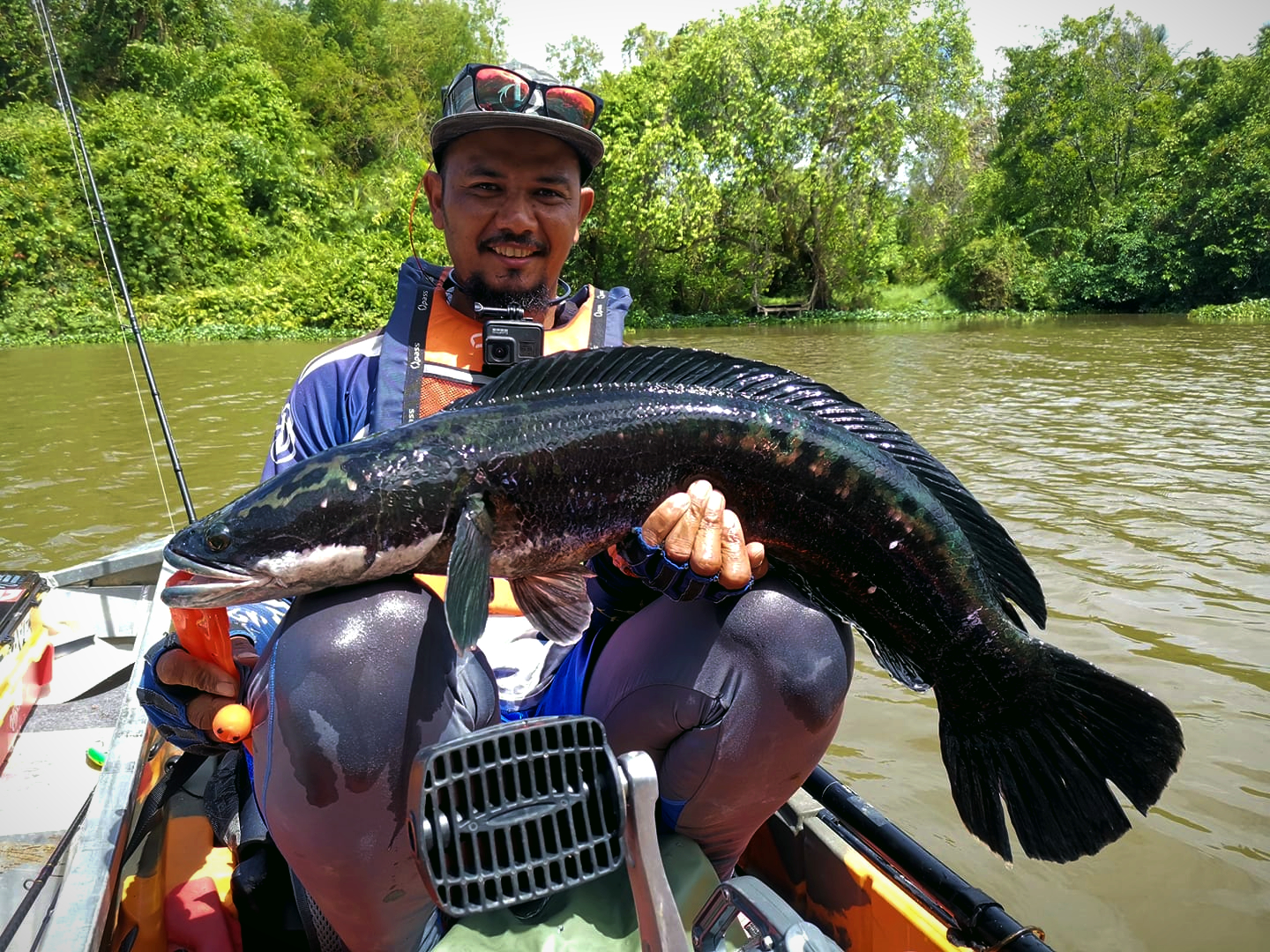
TOMAN FISHING: FIND THEM & CAST TO THEM
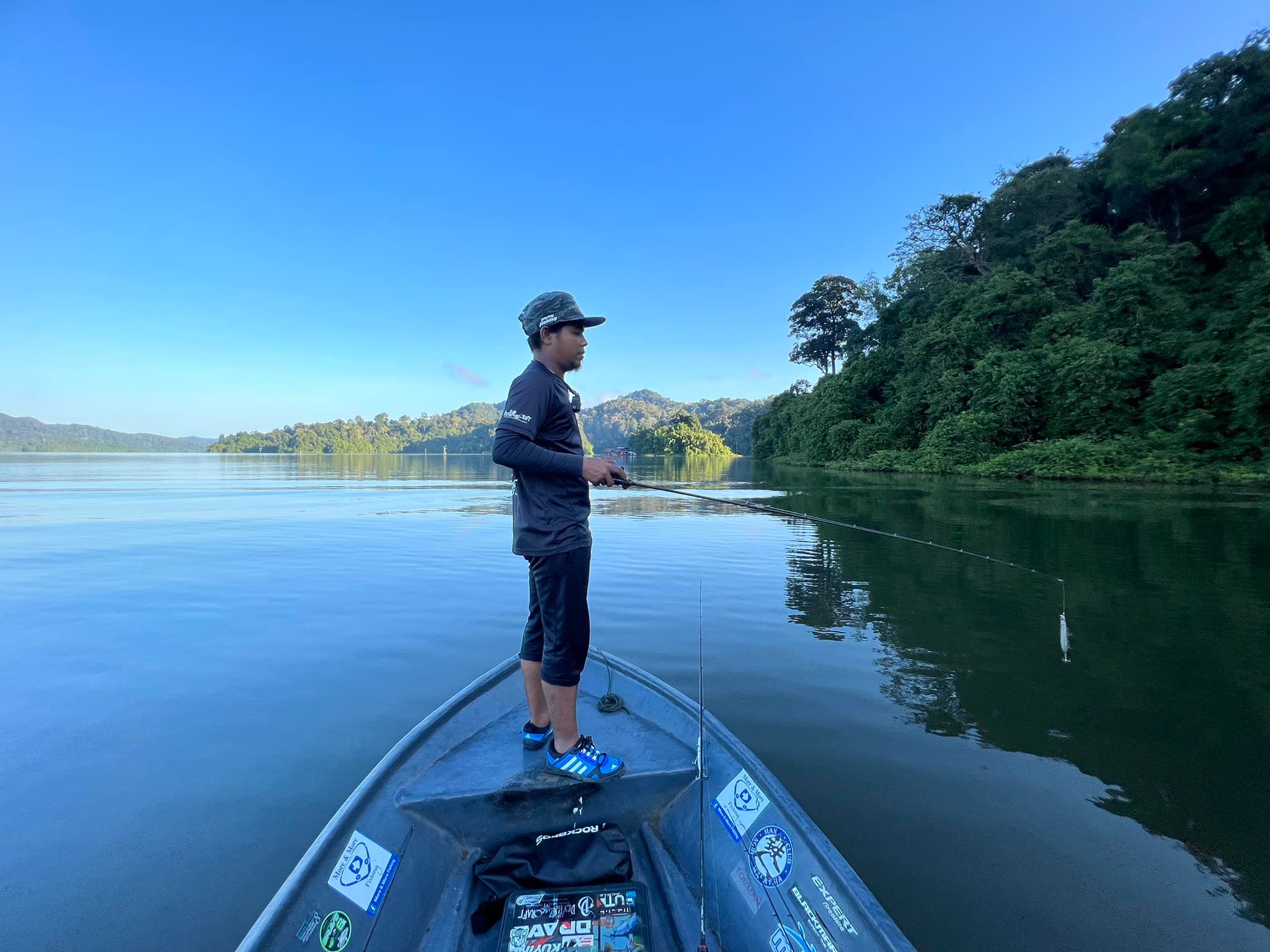
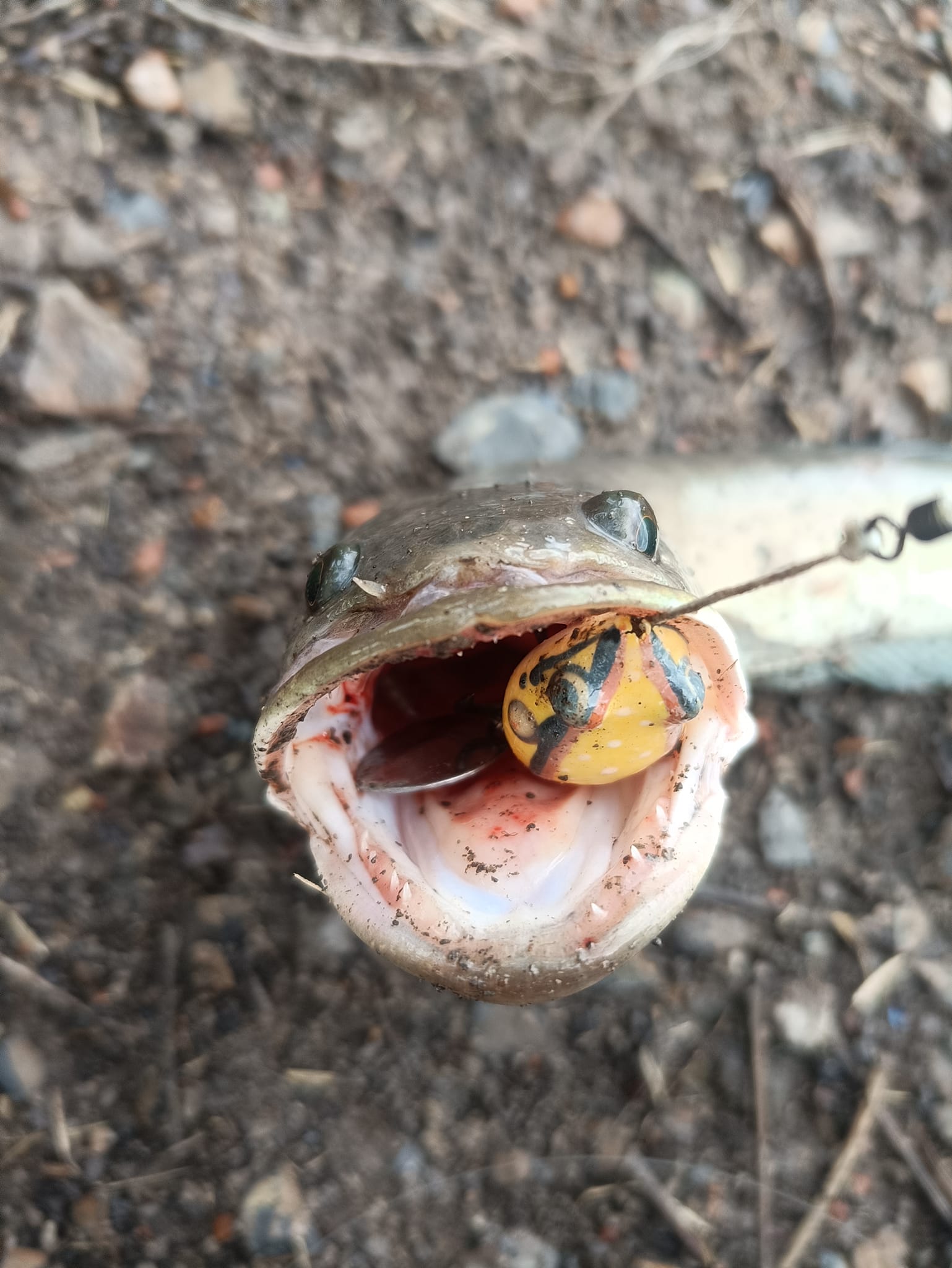
When targeting Toman (Giant Snakehead), there are two common approaches to casting: blindcasting and sightcasting. Both can be effective, but the key difference is whether you are casting based on a promising area or directly at a fish you can see.
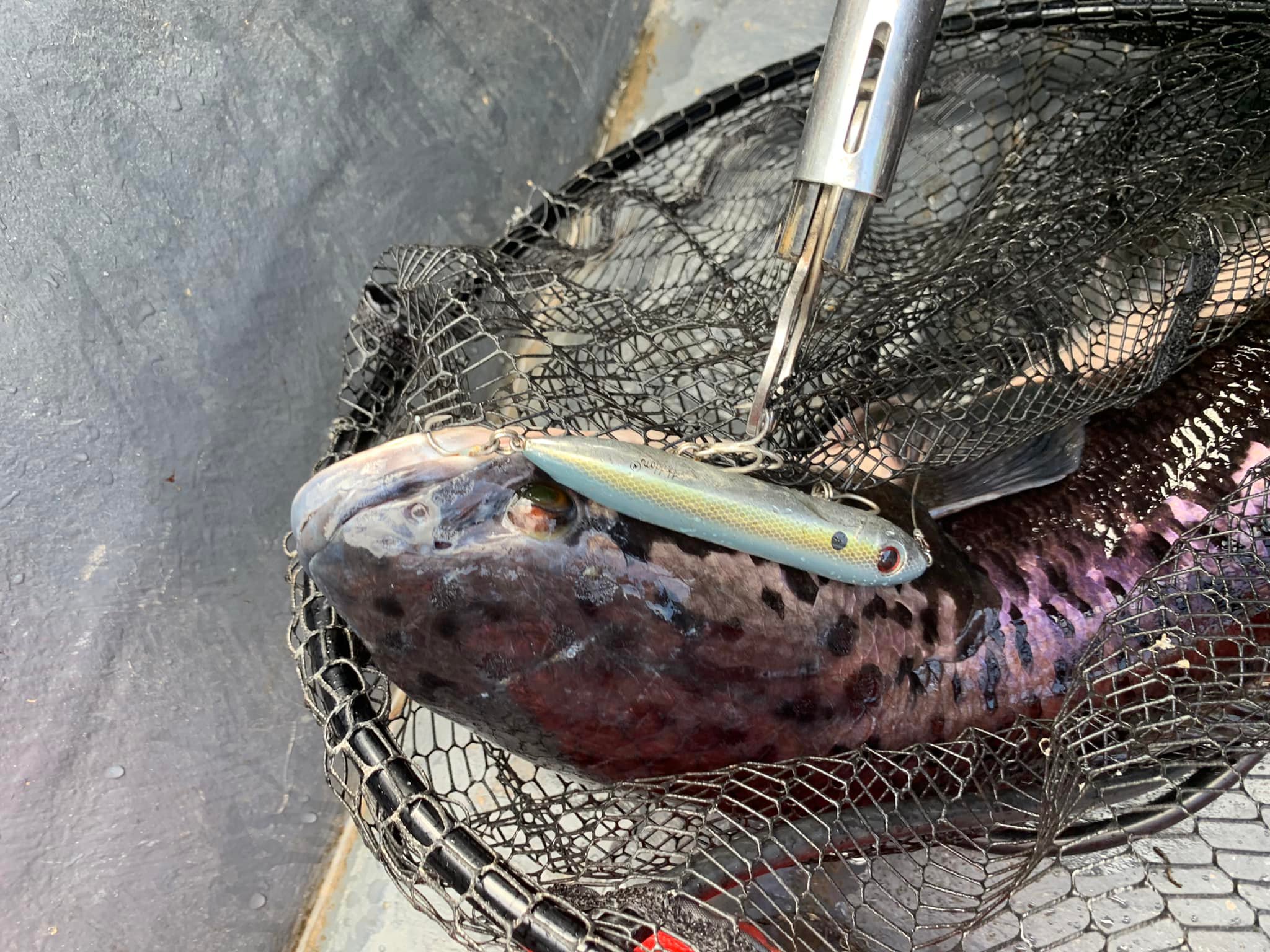
BLINDCASTING
Blindcasting means making repeated casts around areas that look promising, even when you haven't seen a Toman on the surface. This technique often focuses on shorelines near tributaries, inlets, vegetation or other areas where aquatic life is present. The idea is simple: cover likely holding areas and trigger a Toman that may be hiding below the surface or around cover. This approach can be especially useful when water levels are high, as Toman may spread across a wider area. The species is commonly associated with freshwater habitats such as rivers, swamps, canals and deep-water bodies.
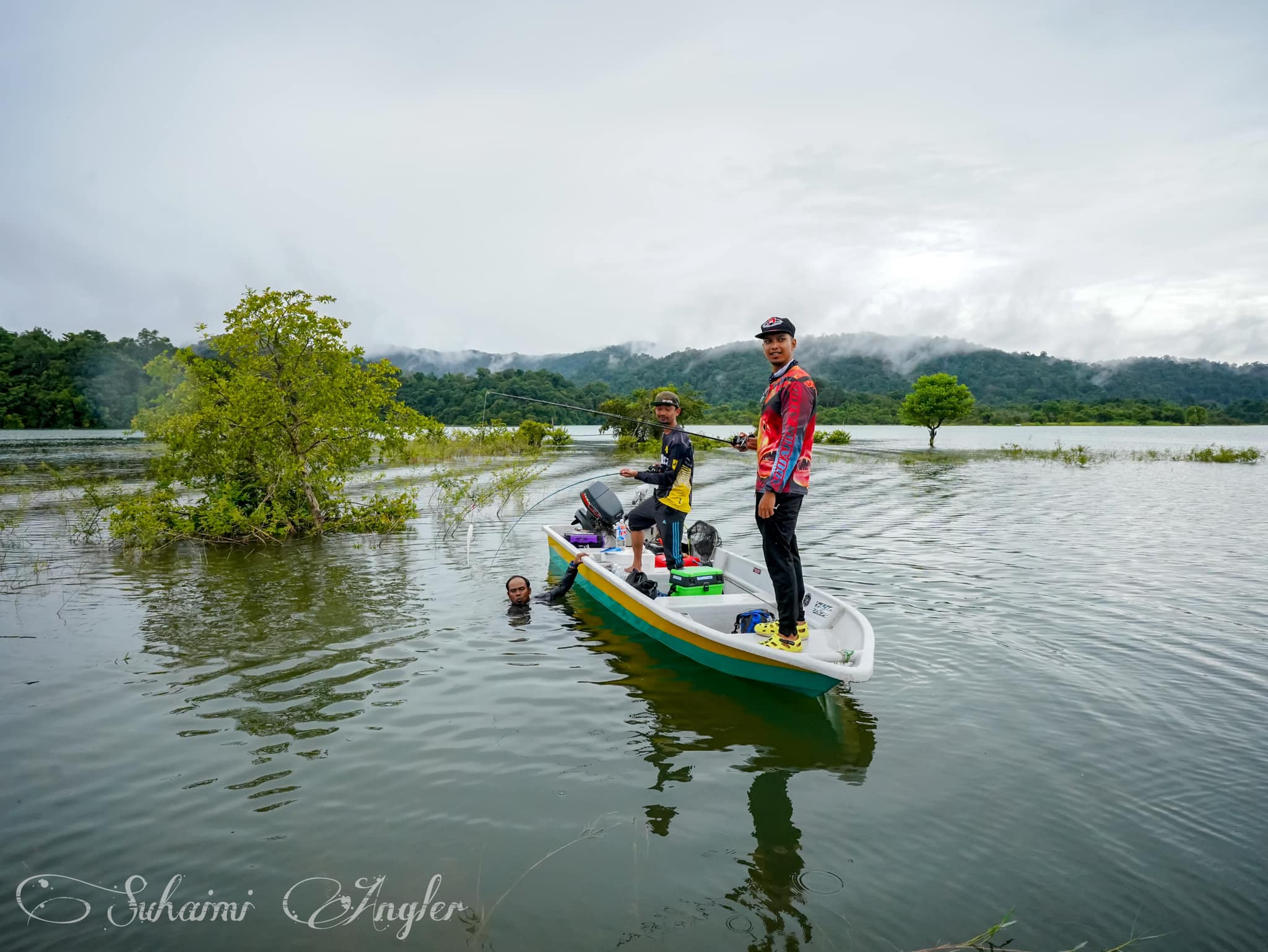
SIGHTCASTING
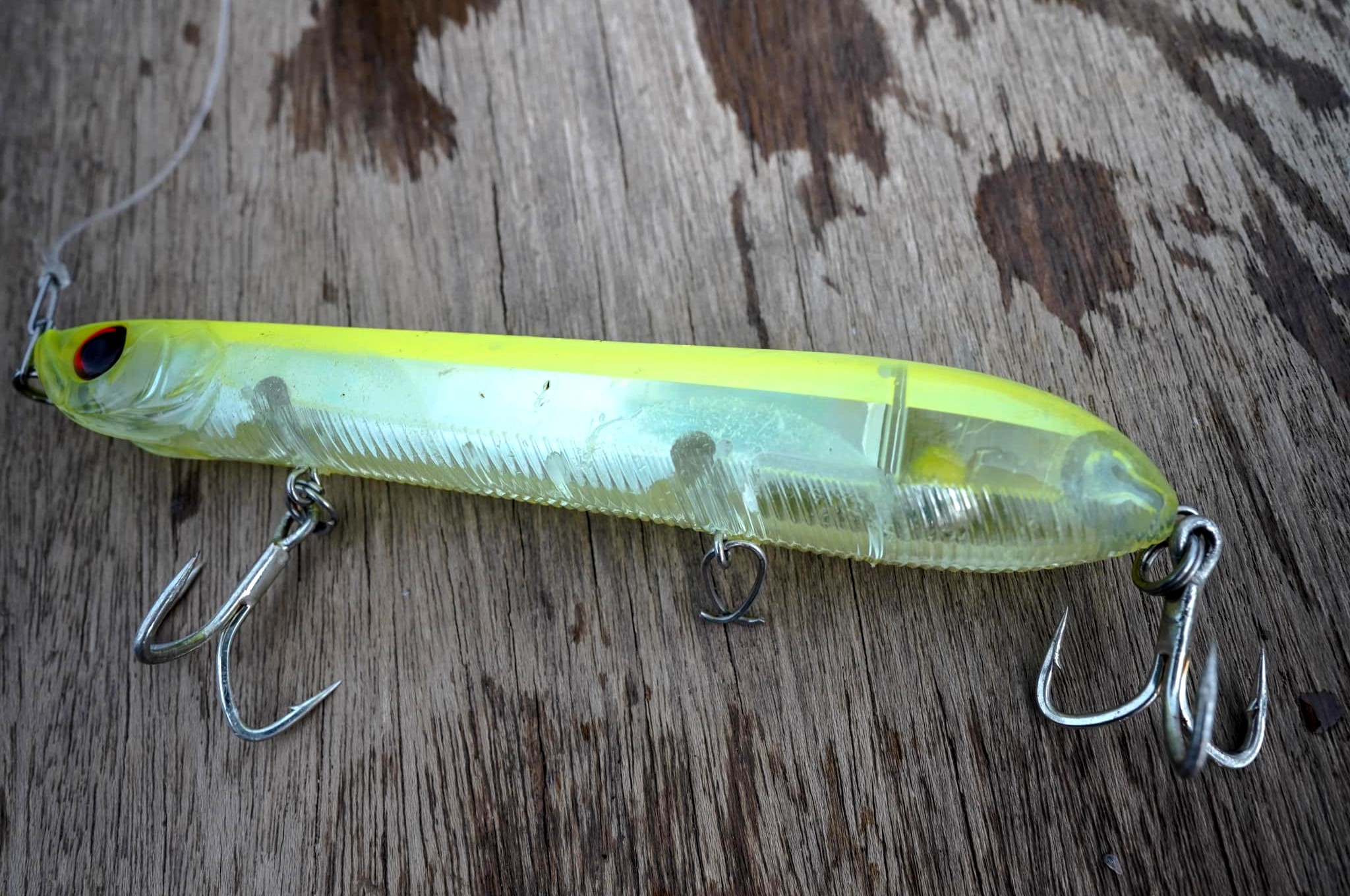
Instead of casting randomly, you are targeting a Toman you can actually see — usually when it comes to the surface to breathe or creates a visible disturbance such as a boil. Toman are obligate air-breathers, so they periodically come to the surface to take in air. When you spot a boil, speed and accuracy become important. Make your cast quickly and place the lure close to the area where the fish surfaced, rather than casting directly on top of it. If the Toman is still near the surface and actively responding, the opportunity for a strike can be much higher.
"You don't always need to see the fish to catch it. Sometimes, you just need to know where to cast."