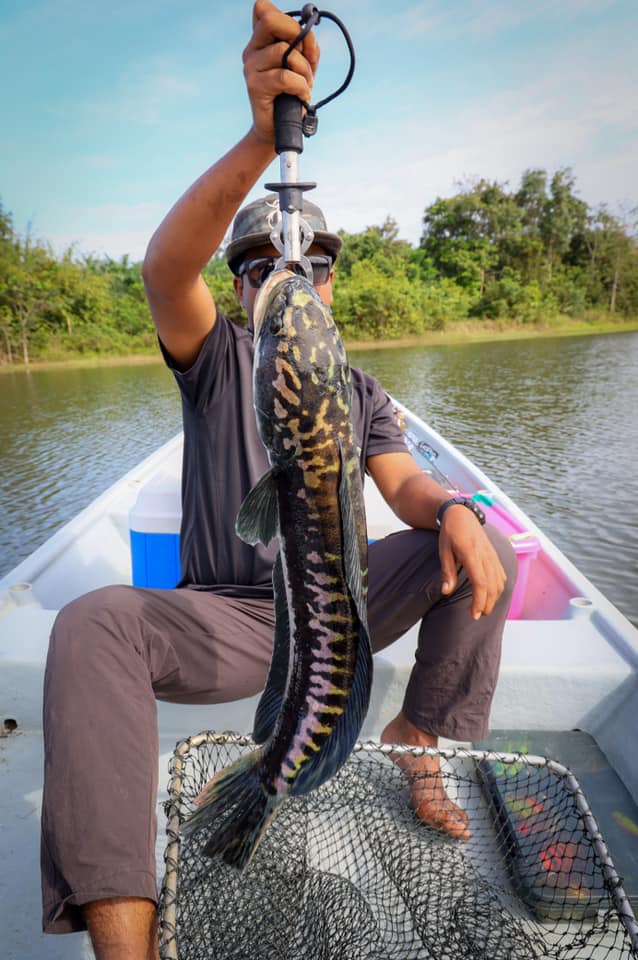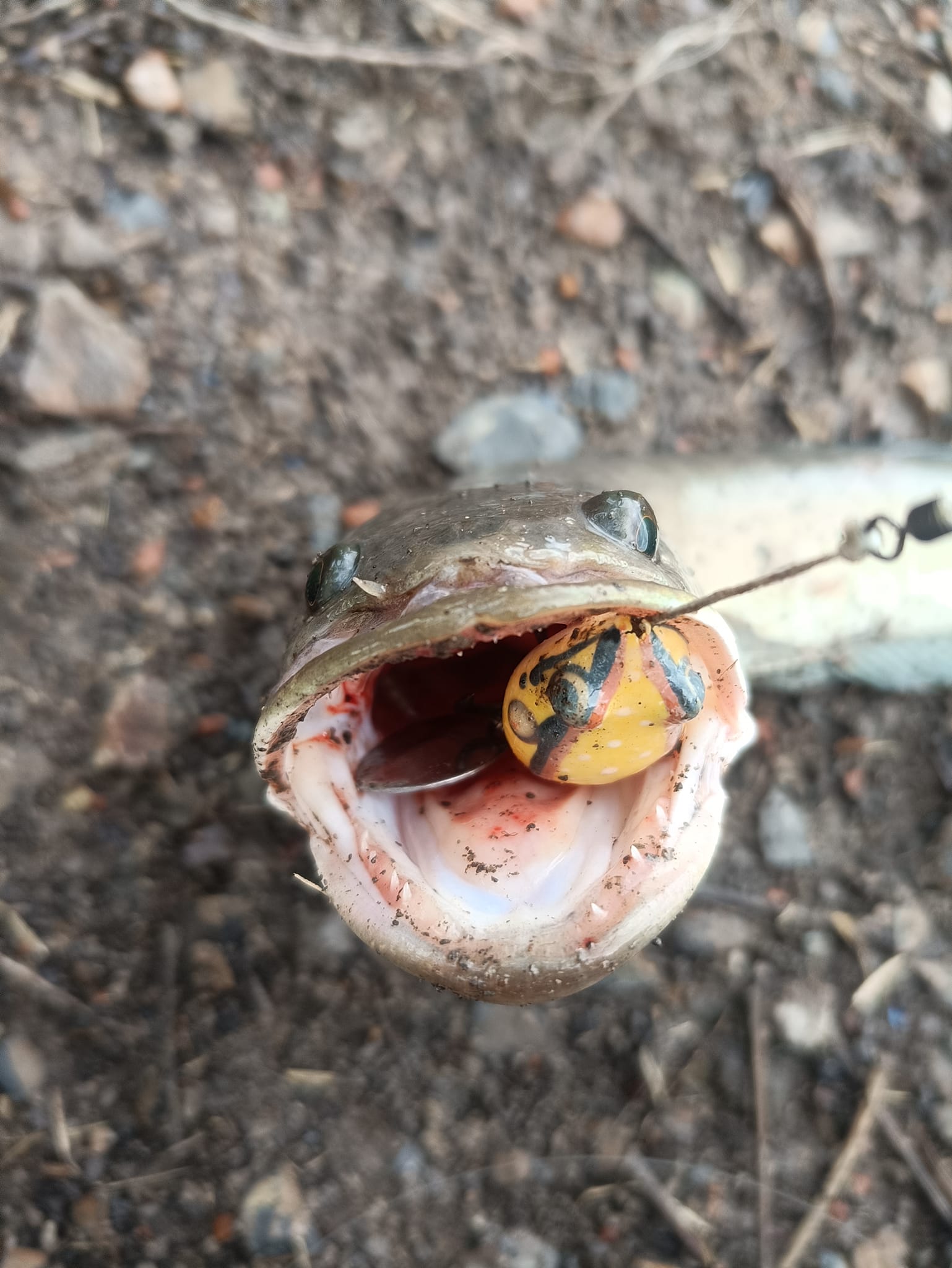
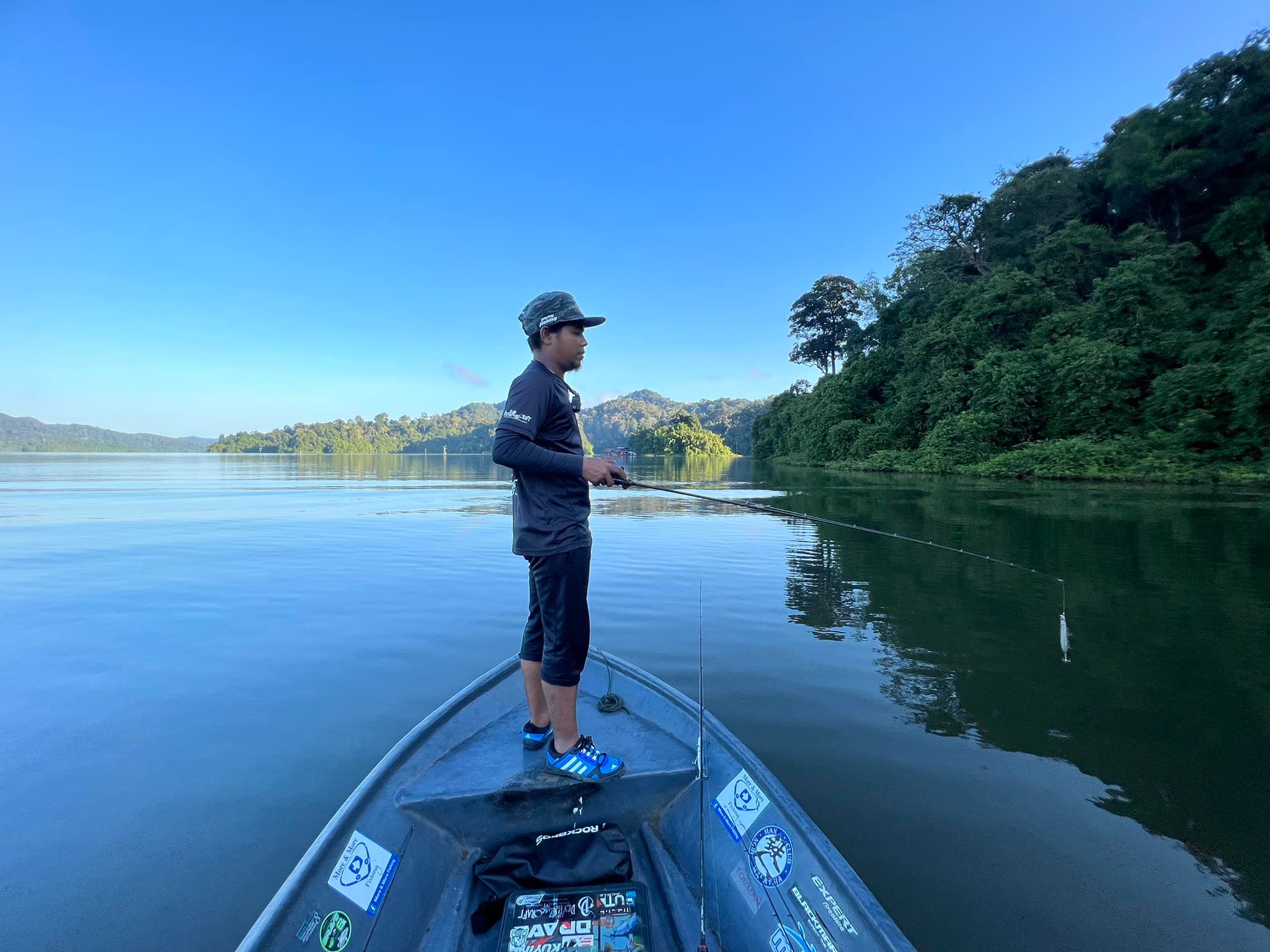
HIGH WATER, HIDDEN TOMAN!
When the water is high and the day starts getting hotter, Toman often seek shelter around submerged timber, vegetation and other cover close to the shoreline. These areas can also attract baitfish, which may gather around the same sheltered cover instead of staying exposed in open water. Toman are commonly associated with freshwater environments such as rivers, swamps and slow-moving water, and they are also strongly associated with vegetation in certain habitats. This creates a natural meeting point — baitfish seeking shelter and Toman looking for an opportunity to feed.
LOOK BEYOND THE BOIL
The challenge is that Toman may be much harder to locate in these conditions. Instead of showing themselves clearly on open water, they may be holding underneath shaded or covered areas. This means you may not see the usual surface activity or obvious boiling that normally gives away their position. So don't rely entirely on visual signs.
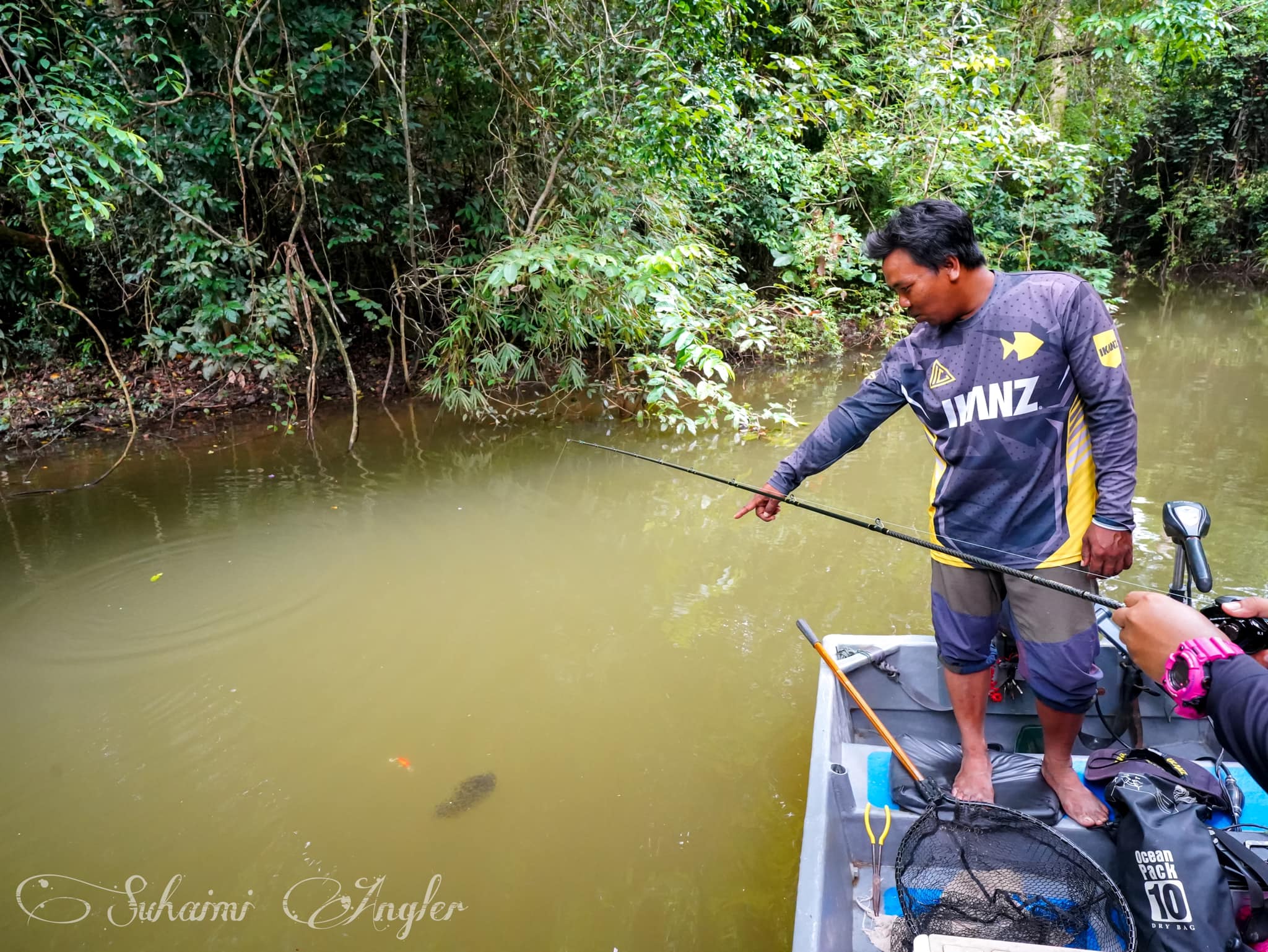
“Don’t wait for the boil. Find the cover, make the cast, and bring the hidden Toman out!”
GET CLOSE AND MAKE SOME NOISE
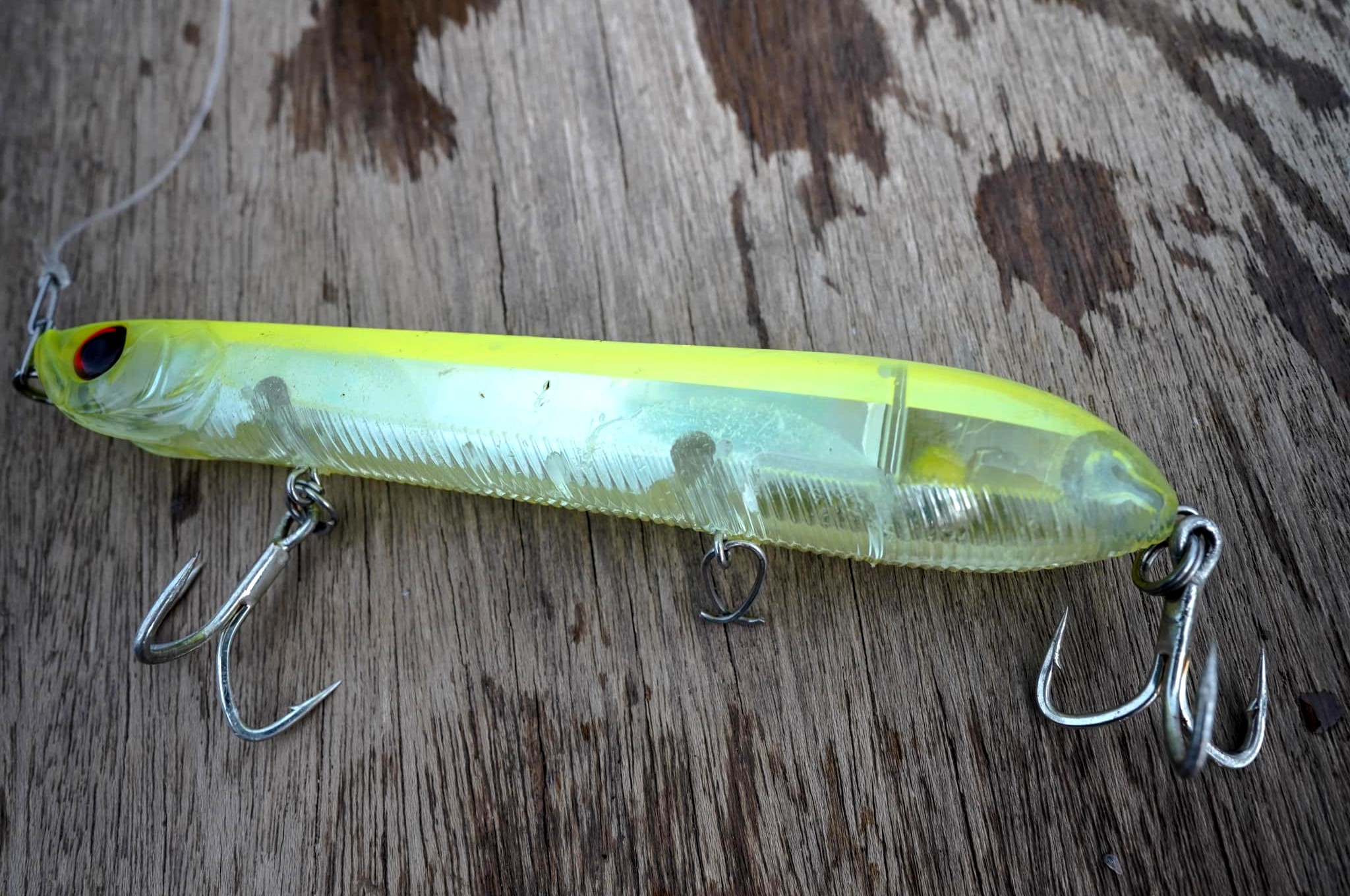
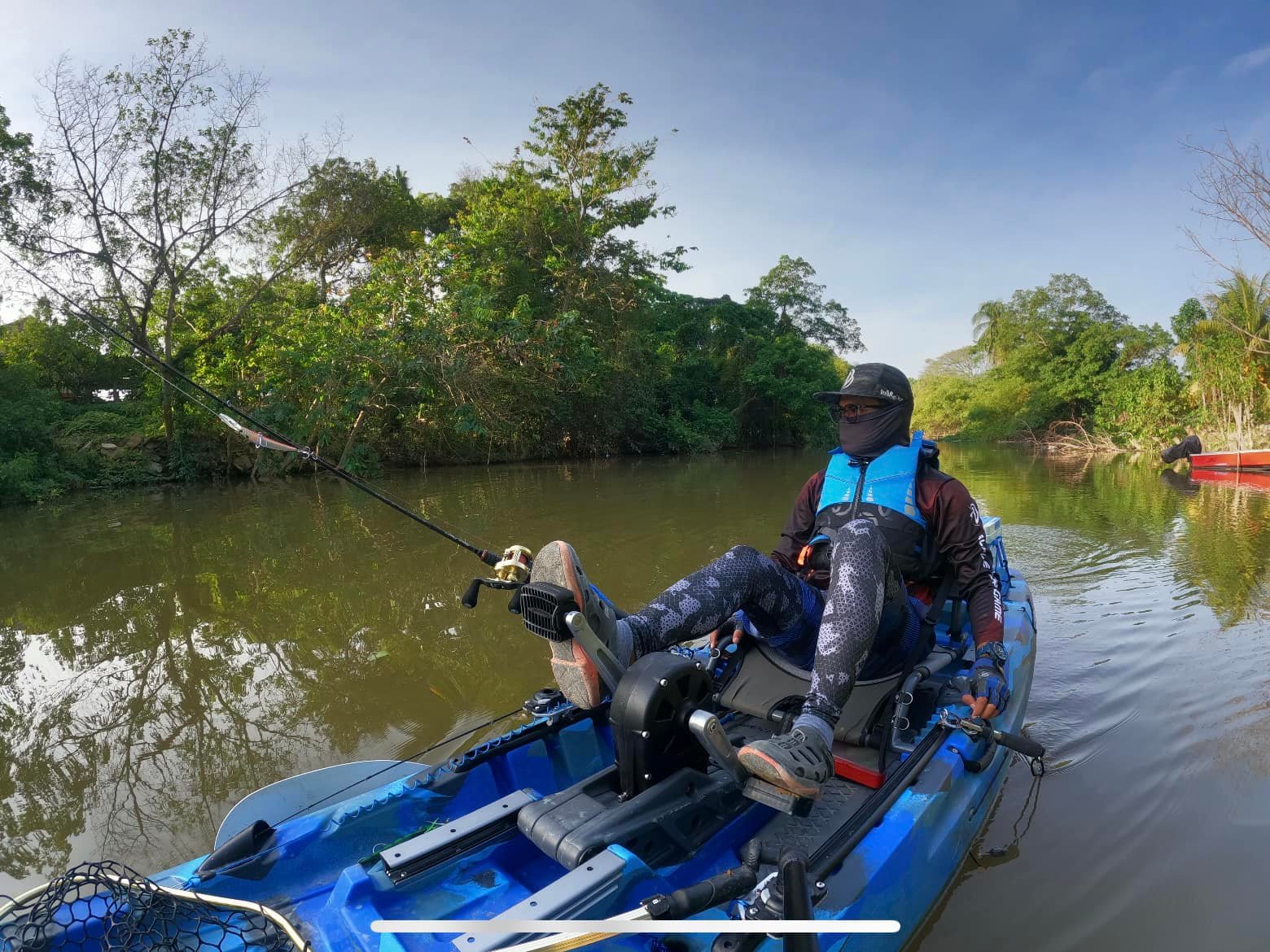
If you're fishing from a boat or kayak, move closer to promising cover. Once you're within casting range, try creating some disturbance on the water near the structure. A few controlled movements can sometimes encourage a hidden fish to move out from its cover. If you don't see a fish, this is where blindcasting becomes useful. Work the area around the cover systematically, rather than waiting for the Toman to reveal itself.
FISH THE COVER
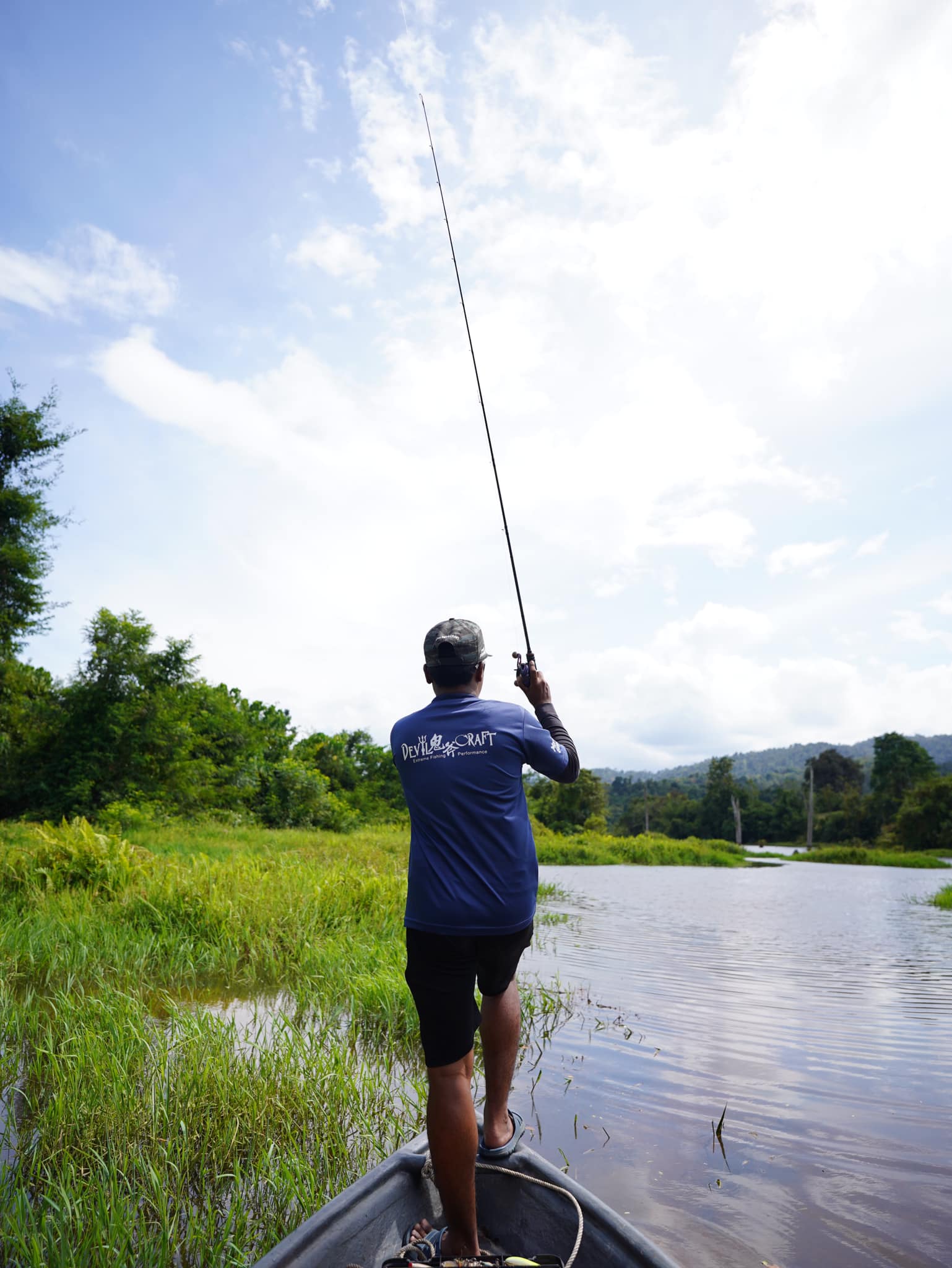
When the water is high and the surface activity is difficult to read, the key is to fish the likely holding areas. Look for: Submerged trees and timber Aquatic vegetation Shallow cover close to the bank Sheltered areas where baitfish are likely to gather The Toman may not show itself.