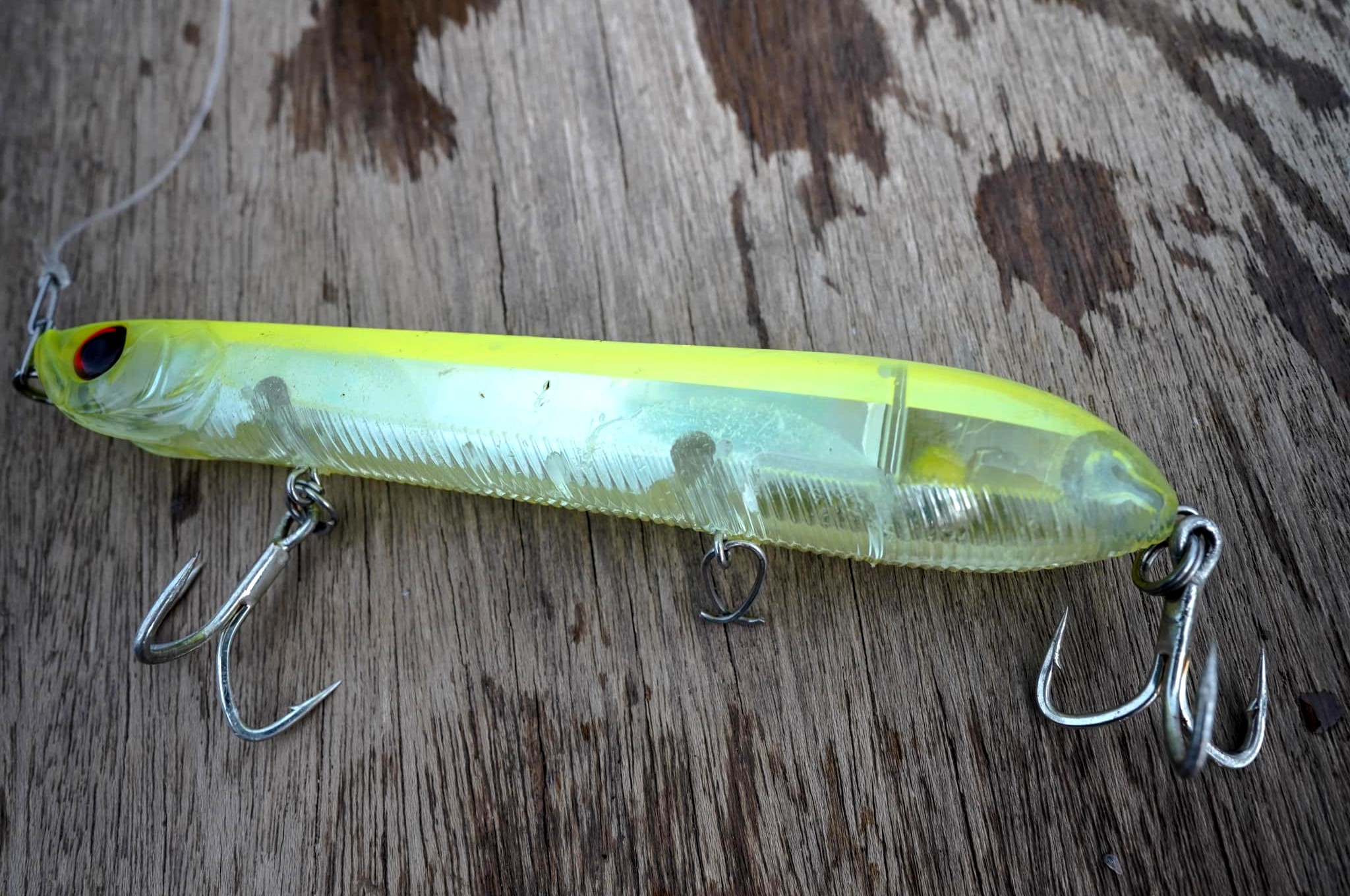
FAST RETRIEVE
When the current is slow and the surface is relatively calm, a faster retrieve can help make the lure more noticeable. The speed creates movement, splash and surface disturbance, helping alert nearby predators to the lure. It is especially useful when you need to cover water and make your lure stand out in otherwise quiet conditions. Retrieve speed and cadence can be adjusted until you find what the fish are responding to.

SLOW RETRIEVE
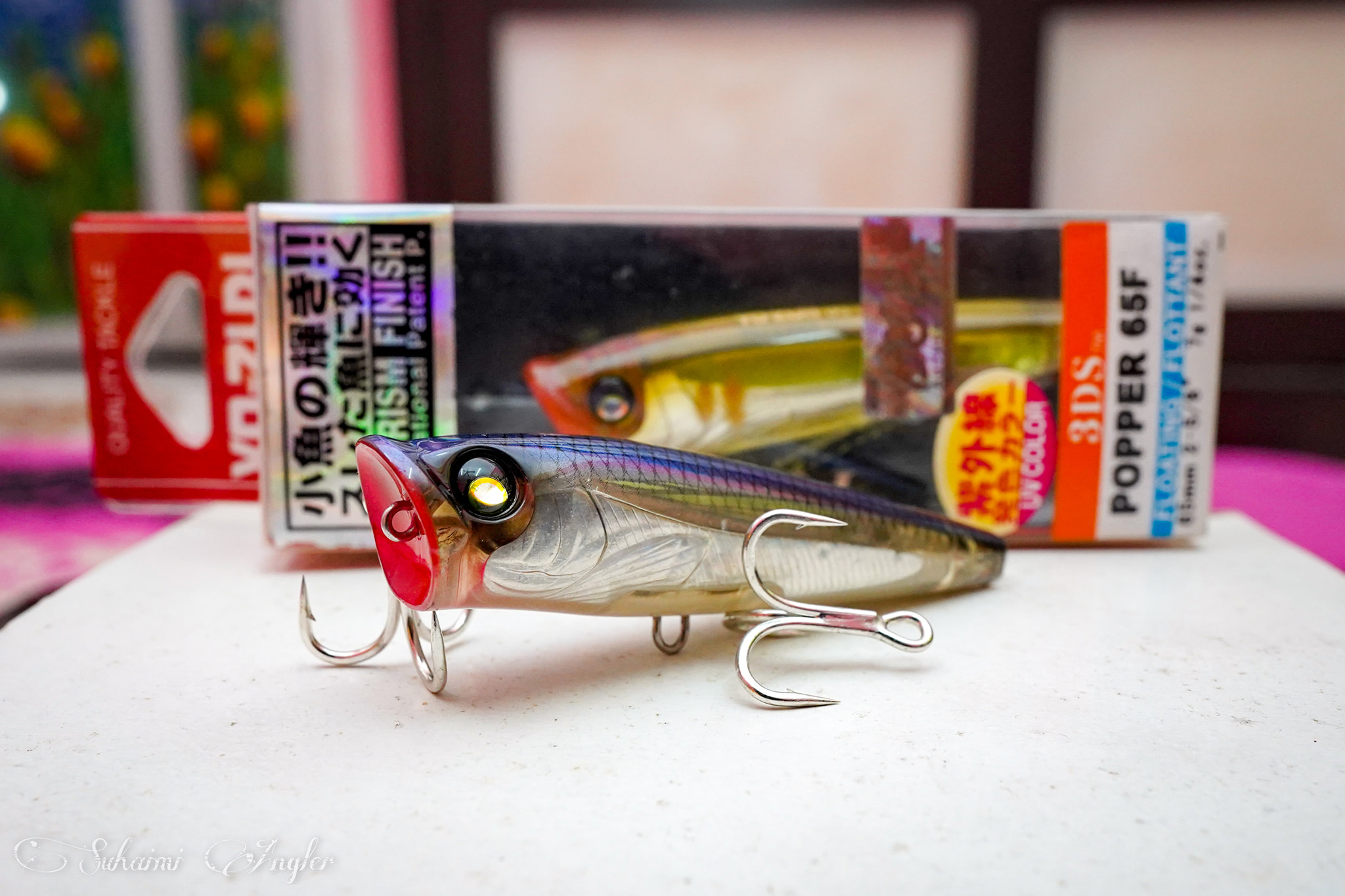
When the current is strong and the surface is choppy, a slower retrieve can give you better control of the lure. Instead of simply winding slowly, use strong, deliberate rod jerks to create a bigger splash and disturbance. This is particularly effective with poppers. The cupped face of a popper catches the water and produces a loud splash, helping the lure remain noticeable even when the surface is already noisy. When the surface is rough, don't be afraid to slow the retrieve down — but make each pop count.
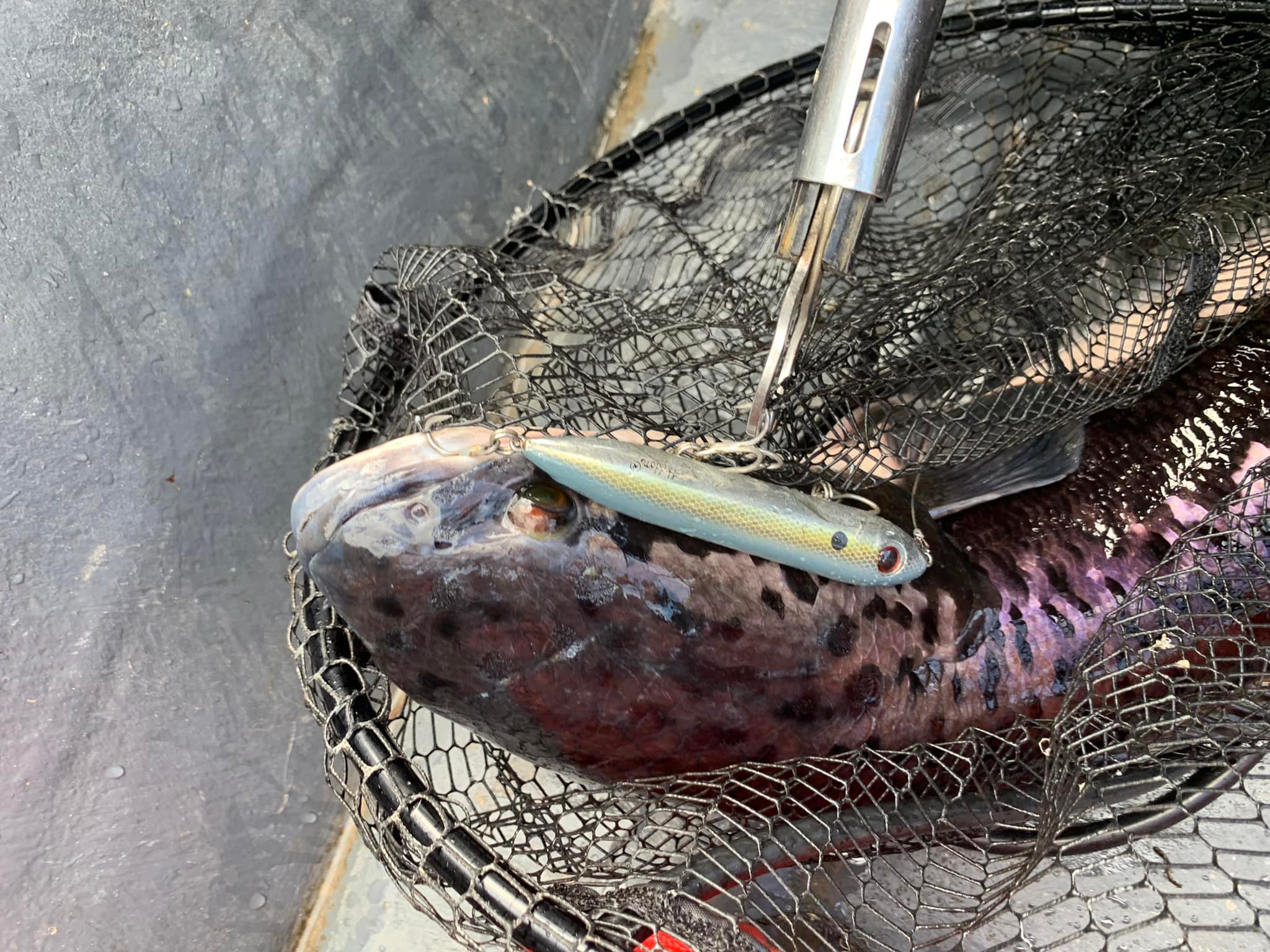
"Watch how your lure action on the surface and adjust the speed, strength and pause until you find the rhythm that gets the fish interested"
FIND THE RIGHT RHYTHM
There is no single retrieve speed that works every time. Calm water: work the lure faster to create more movement and attract attention. Rough water: slow down but use stronger pops or jerks to create a more obvious disturbance.
The key is to watch how your lure behaves on the surface and adjust the speed, strength and pause until you find the rhythm that gets the fish interested. Sometimes, it's not about fishing faster or slower. It's about making the right noise at the right time.